SAM |
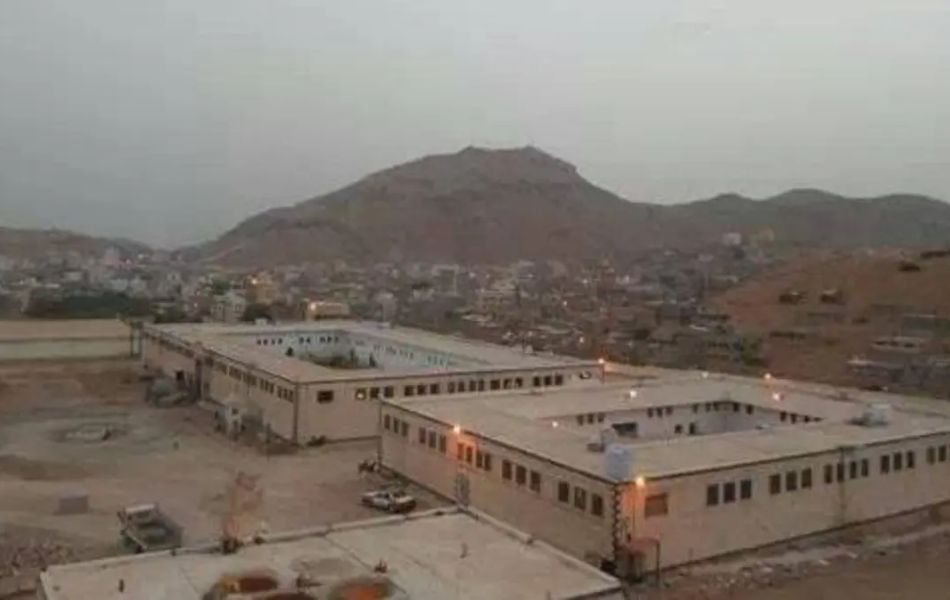
Geneva – SAM organization for Rights and Liberties stated that the continued detention of 23 prisoners in the Central Prison in the city of Mukalla, Hadramout Governorate, despite the completion of their sentences or the issuance of judicial acquittal rulings in their favor, constitutes arbitrary detention and a serious violation of the rule of law in Yemen. The organization explained that a number of these prisoners have begun a hunger strike in protest against their continued detention after completing their judicial processes, in an attempt to draw attention to their legal right to be released.
Tawfiq Al-Humaidi, Chairman of SAM for Rights and Liberties, said:
“The continued detention of individuals after the completion of their sentences or after judicial orders for their release have been issued represents a blatant violation of the rule of law and a direct obstruction of judicial orders. Keeping these prisoners behind bars despite exhausting the course of justice turns their detention into arbitrary detention and sends a dangerous message that judicial rulings can be ignored. The concerned authorities must immediately release these prisoners and implement judicial orders without any delay.”
The organization explained that documents it reviewed, including release orders issued by the Specialized Criminal Prosecution in Hadramout Governorate, confirm that several prisoners have fully completed their judicial process, as final rulings of acquittal, rulings deeming time served sufficient, or release orders have been issued in their cases. One of the documents also refers to a circular issued by the Public Prosecution ordering the inventory and closure of illegal detention facilities and the release of all detainees held without legal justification.
Official correspondence addressed to judicial and executive authorities in Hadramout also shows demands for the implementation of those rulings, including a request for the release of prisoner Surour Saeed Al-Obeidi after the end of his sentence. These documents indicate that the continued detention of these prisoners is not based on any new judicial procedures, but rather reflects a failure to implement judicial rulings.
The organization added that the continued detention of these prisoners comes despite directives issued by the Chairman of the Presidential Leadership Council calling for the release of prisoners whose sentences have expired, as well as despite promises announced by Presidential Leadership Council member and Governor of Hadramout Faraj Salmeen Al-Bahsani to address this issue and release them. However, these directives have not yet been implemented.
According to information received by SAM, the organization obtained a list containing the names of 23 prisoners in the Central Prison in Mukalla whose sentences have expired or who have received acquittal rulings, rulings deeming time served sufficient, or release orders, yet they remain detained until now. The list includes:
1. Surour Saeed Abdullah Al-Obeidi – three-year sentence (date of arrest: 27 April 2016).
2. Mohammed Abdullah Saeed Balqadi – two-year sentence.
3. Sultan Salem Saeed Zoran – one-and-a-half-year sentence.
4. Mohammed Saeed Omar Ba-Wazir – acquitted on appeal (date of arrest: 4 November 2017).
5. Ali Ismail Mohammed Al-Hassan – one-year sentence for illegal entry into the country with acquittal from any other charges.
6. Waleed Saeed Awad Shamrakh – one-and-a-half-year sentence.
7. Abdulrahim Nasser Barak Al-Nahdi – acquitted (date of arrest: 20 June 2022).
8. Abdulqader Salem Mohammed Bin Salm – ruling of time served.
9. Omar Abdullah Omar Bakheel – acquitted.
10. Wajdi Mubarak Saeed Ayedha Bin Tahis – acquitted.
11. Ibrahim Omar Yaslam Bamiftah – ordered released.
12. Aqlan Mohammed Ahmed Al-Banna – one-year sentence.
13. Saleh Ashour Aboud Faih.
14. Abdullah Mohammed Saeed Bajardouh Al-Haqi – three-year sentence.
15. Qasim Al-Deeni.
16. Zayed Yahya Ahmed Haidar Al-Watari.
17. Mahmoud Wajeeh Hamoud Al-Shumairi – ruling of time served.
18. Abdul Sattar Abdullah Ali Bashraheel – case dismissed (date of arrest: 17 April 2025).
19. Abu Abdulrahman Al-Tunisi – suffers from a psychological condition (acquitted).
20. Ibrahim Abdulkhaleq Awad Aboulan – acquitted.
21. Hussein Ahmed Thabet Al-Awlaqi – ruling of time served.
22. Rashid Al-Jaar Al-Atiqi.
23. Waheed Mubarak Hadi Sarab – acquitted (date of arrest: 3 June 2023).
SAM Organization emphasized that the detention of any person after the completion of their sentence or after the issuance of a judicial acquittal ruling constitutes arbitrary detention under international standards. Under Article (9) of the International Covenant on Civil and Political Rights, no one may be deprived of liberty except on grounds established by law and in accordance with procedures prescribed by law. The covenant also obligates authorities to immediately release any person detained without legal basis.
The United Nations Basic Principles on the Independence of the Judiciary also stipulate the necessity of respecting and implementing judicial rulings without interference or obstruction by any executive authority. The continued detention of individuals after judicial orders for their release have been issued constitutes a violation of these principles and falls within patterns of arbitrary detention addressed by the UN Working Group on Arbitrary Detention.
The organization also expressed concern that some prisoners have resorted to hunger strikes after exhausting all legal means to claim their right to release, warning that continued disregard of their demands may expose their lives and health to serious risks.
SAM called on the Yemeni authorities and the relevant bodies in Hadramout Governorate to immediately and unconditionally release all prisoners whose sentences have expired or who have received acquittal rulings or release orders, and to promptly implement judicial rulings and official directives related to releasing detainees held without legal justification. It also stressed the importance of opening an urgent and transparent investigation into the reasons behind the failure to implement judicial rulings, holding those responsible for the continued unlawful detention accountable, and ensuring that such violations are not repeated in the future.