

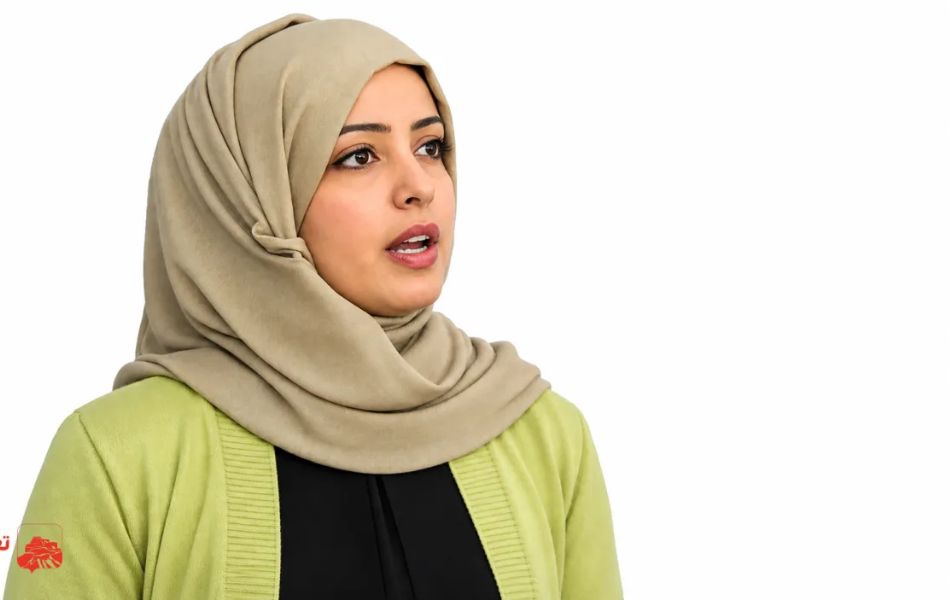
Geneva — SAM Organization for Rights and Liberties said that the recent campaigns of defamation, personal attacks, and abuse targeting Rania Najeeb, an employee at the Office of the Presidency of the Republic of Yemen, raise serious concerns about the use of defamation, reputational harm, and violations of privacy as tools to target women working in public life. Such practices may contribute to intimidating women and undermining their participation in public service and political life.
SAM said it has followed the abuse and smear campaigns directed at Najeeb on social media, as well as the expressions of solidarity that followed. The organization stressed that the case should not be reduced to a divide between supporters and opponents of a particular individual. Rather, it calls for a broader discussion about protecting human dignity, the boundaries of legitimate criticism, and the responsibility of state institutions to provide effective legal remedies to those subjected to defamation, threats, or violations of privacy.
The organization emphasized that Najeeb’s position within the presidency means that, like any public official, her professional performance is subject to criticism and accountability. Protecting women from defamation must not be used to prevent journalists or the public from scrutinizing public officials or investigating matters of public interest.
At the same time, SAM stressed that there is a fundamental distinction between criticism and accountability, on the one hand, and campaigns targeting a person’s reputation or private life, using degrading or sexually or gender-based language, or promoting allegations intended to cause harm without a verifiable basis, on the other. Such practices cannot be justified as a natural part of freedom of expression or political debate.
SAM considers the case of Rania Najeeb to reflect a broader problem that extends beyond her personally. Yemeni women engaged in public life face attacks that do not necessarily target their performance or positions, but rather their gender, appearance, private lives, or social standing. The organization warned that using such tactics in political disputes harms not only the targeted woman, but also creates an environment of intimidation that may discourage other women from participating in public life for fear that their reputation and dignity will be attacked.
The organization noted that equality does not mean exempting Rania Najeeb, or any woman working in public life, from criticism or accountability. Rather, equality means that criticism should focus on performance and decisions, and that women and men should enjoy equal legal protection against defamation, threats, and violations of privacy.
SAM added: “Women’s reputations and private lives should not become weapons in political disputes. Protecting freedom of expression and holding public officials accountable are not incompatible with protecting dignity and privacy. What is required is to safeguard both rights within a fair legal framework—one that neither shields officials from criticism nor leaves individuals vulnerable to humiliation and incitement.”
SAM called on the Yemeni authorities to address such incidents from the perspective of the rule of law, free from selective political or social solidarity, and to establish clear and independent mechanisms for receiving complaints and investigating incidents that may involve threats, blackmail, incitement, or violations of privacy. It also called for guarantees of fair trial rights and urged authorities not to use defamation or cybercrime laws to prosecute journalists and critics for the legitimate exercise of freedom of expression.
The organization further called for a review of relevant legislation and practices to ensure a clear distinction between criticism concerning the performance of public officials and unlawful attacks on private life, dignity, and personal security. It warned that overly broad provisions criminalizing expression may themselves become tools of abuse rather than mechanisms of protection.
SAM called on government institutions, political parties, media outlets, civil society organizations, and activists to refrain from adopting, reproducing, or amplifying defamatory rhetoric, even when it targets political opponents, and to promote professional and ethical standards that clearly distinguish legitimate criticism and accountability from personal humiliation, incitement, and violations of privacy.
SAM stressed that the response to the case of Rania Najeeb should not be limited to a temporary wave of solidarity that fades only for the same practices to be repeated against another victim. Instead, the case should serve as an opportunity to strengthen legal and institutional safeguards that make rights the basis for protection, regardless of the victim’s identity, position, or political affiliation.