

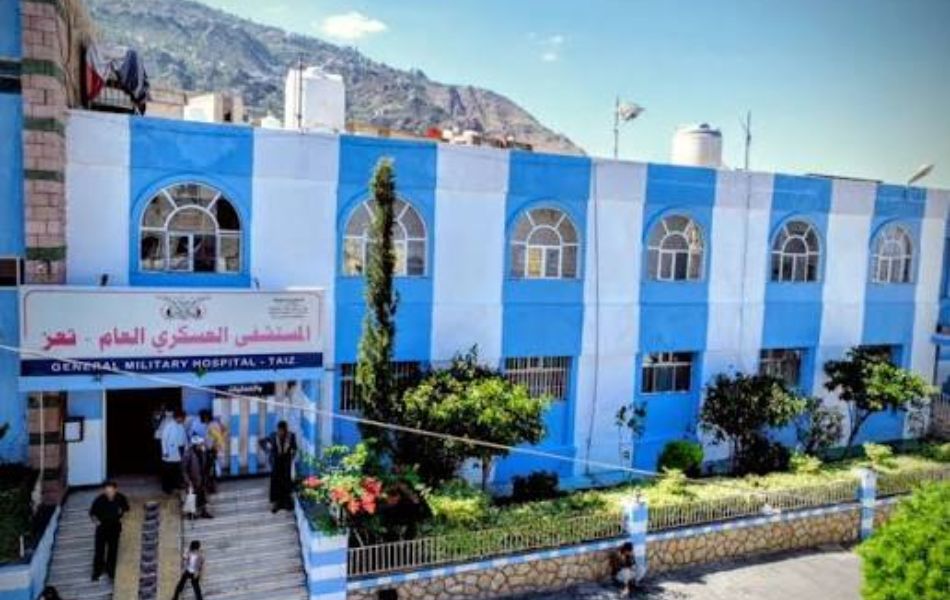
SAM for Rights and Liberties stated that details contained in a memorandum from the director of the Military Hospital in Taiz to the Axis Commander regarding the mutilation of bodies belonging to government-aligned military forces and the Popular Resistance represent a grave violation of the sanctity of the deceased and the rules of international humanitarian law. Condemning the acts attributed to the Houthi movement in the memorandum, the organization called for an independent criminal investigation to determine what transpired and hold the responsible entities and individuals accountable.
The memorandum, dated October 26, 2026, indicates that the Military Hospital administration received the bodies via the International Committee of the Red Cross (ICRC). According to the memo, hospital staff noticed deliberate mutilation upon receipt, including the obliteration of facial features, broken arms and legs, and the presence of a substance described as corrosive that rendered identification impossible. The memorandum was accompanied by photographs and a report from the Military Judicial Department.
In a statement dated October 27, 2026, the official spokesperson for the Yemeni Armed Forces stated that the bodies were subjected to deliberate mutilation, including the pouring of what the statement described as a caustic chemical substance, the fracturing of limbs, and the effacement of facial features. Similarly, the Legal Division of the Taiz Axis—in a statement published by the Axis Media Center—condemned the desecration of the fallen fighters' bodies, referencing the report submitted to the Axis Commander by the Military Hospital director following the examination of the bodies handed over by the ICRC. These statements rely directly on the hospital’s internal report and do not represent independent verification of the details or causes of the injuries.
Photographs show a body dressed in military uniform displaying apparent surface and color changes to the face alongside areas of localized damage. These constitute visual observations rather than a medical diagnosis; photographic evidence alone cannot conclusively prove bone fractures, establish the cause of damage, or determine the nature of the chemical agent. Conclusive verification requires a forensic medical examination and laboratory analysis of any residual substance or trace evidence. Furthermore, the ICRC’s role in facilitating the transfer of the remains does not imply that the committee has reached any findings regarding the injuries or their causes.
Tawfiq Al-Hamidi, President of SAM for Rights and Liberties, said: "The death of a combatant does not grant license to desecrate their body. Mutilating remains or obliterating identifying features deprives families of the right to know the fate of their loved ones and bury them with dignity, while potentially obstructing efforts to document the circumstances of death. These allegations must be subjected to an independent forensic examination, and all those who committed or ordered such acts must be held accountable."
Customary international humanitarian law strictly prohibits the mutilation of dead bodies and mandates that parties to an armed conflict take all feasible measures to prevent remains from being despoiled or violated. Common Article 3 of the Geneva Conventions likewise prohibits outrages upon personal dignity, in particular humiliating and degrading treatment against persons taking no active part in hostilities, including those placed hors de combat. Desecrating the dead may constitute a war crime when supported by established facts, attributed responsibility, and the satisfaction of standard legal elements.
SAM emphasized that establishing accountability requires an investigation that secures and forensically examines all physical evidence. Such an inquiry should document the condition of each body, map all anatomical trauma, inspect and chemically analyze the reported corrosive substance, review chains of custody and identification logs, and preserve physical exhibits. The investigation must also interview medical personnel who received and inspected the bodies, keeping the families informed of all findings while respecting their privacy.
Finally, SAM urged the Houthi movement to abide by international humanitarian law, respect the dignity and inviolability of human remains, protect them from mutilation and desecration, and ensure their dignified identification, collection, transport, transfer, and burial. The organization also called on the Houthi movement to cooperate fully with an independent inquiry, grant relevant forensic experts unhindered access to the bodies and evidence, and ensure that anyone found responsible for these actions is held fully accountable.