

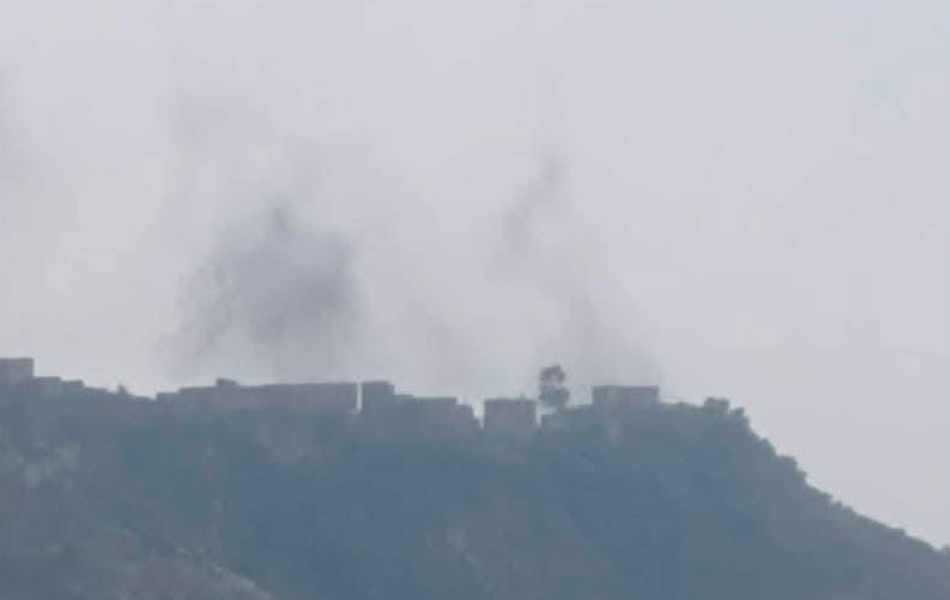
Geneva – 29 October 2026
SAM for Rights and Liberties said that the ongoing military escalation in Yemen since August 2026 has led to a severe deterioration in the humanitarian situation, with mounting casualties, mass displacement, and declining essential services. Attacks on civilians and vital facilities have continued, while the Houthi group has tightened its siege of Taiz, obstructing the delivery of food, water, fuel, and medicine, endangering patients, newborns, and displaced people, and making it increasingly difficult for humanitarian organizations to reach populations in need.
The organization explained that first-hand testimonies it obtained from medical officials, doctors, and patients at hospitals in Taiz reveal an unprecedented deterioration in healthcare facilities' ability to remain operational, owing to shortages of fuel, oxygen, and medical solutions, as well as difficulties preventing patients and healthcare workers from reaching hospitals. The dialysis center at Al-Thawra General Hospital, which regularly serves approximately 420 patients, now faces the threat of closure. The Yemeni-Swedish Hospital for Maternal and Child Health has also been forced to reduce the number of operational neonatal incubators from 40 to just ten, amid warnings that continued supply disruptions could lead to preventable deaths.
According to the latest update published by the International Organization for Migration (IOM) on 28 October, approximately 286,711 people, comprising 47,779 families, were recorded as displaced by the escalation in western Yemen between 1 August and 27 October 2026. These figures form part of a broader humanitarian crisis in which, according to estimates by the International Federation of Red Cross and Red Crescent Societies, approximately 22.3 million people in Yemen require humanitarian assistance.
SAM also noted the continuing attacks on civilian facilities and associated services, including two missile attacks on Aden International Airport on 28 October, which disrupted flights, prompted the airport's evacuation, and led to the diversion of civilian aircraft. Other attacks affected the vicinity of Al-Mokha General Hospital and vehicles used to evacuate wounded people in rural Taiz, while shelling and gunfire have killed and injured civilians.
The organization stressed that military attacks, combined with the closure of supply routes and hospitals' declining operational capacity, compound the harm inflicted on civilians. Injuries that would ordinarily be treatable may become fatal; patients who depend on regular medical care now face life-threatening barriers to treatment; and displaced families have growing needs for shelter, food, water, and protection.
In preparing this briefing, SAM for Rights and Liberties relied on direct testimonies obtained from healthcare officials, doctors, patients, and affected individuals, as well as field information concerning shelling incidents and civilian injuries. It also reviewed original reports and statements issued by the United Nations High Commissioner for Refugees (UNHCR), the International Organization for Migration (IOM), the International Federation of Red Cross and Red Crescent Societies (IFRC), Médecins Sans Frontières (MSF), Human Rights Watch, and Insecurity Insight, in addition to government statements and news reports containing first-hand accounts.
The organization sought to compare figures according to their reporting periods, geographic coverage, and methodologies, and to distinguish between victims about whom it obtained direct information and cases reported in published sources. It also avoided adding successive displacement figures together or combining casualty lists without cross-checking them. Claims requiring technical evidence—particularly those concerning the use of unconventional munitions or the attribution of responsibility for specific attacks—were treated as preliminary pending further verification.
SAM obtained direct testimonies from officials and doctors at hospitals in Taiz city describing the impact of road closures and shortages of fuel and medical supplies on healthcare facilities' ability to continue providing services, particularly emergency care, intensive care, surgery, neonatal incubators, and dialysis.
In an exclusive account provided to the organization, Dr. Abdulrahman Ahmed Saleh, head of the Al-Thawra General Hospital Authority in Taiz governorate, explained that the tightening siege had prevented the arrival of petroleum products on which healthcare institutions depend to operate around the clock. He warned that the continued functioning of general and surgical emergency units, obstetric emergency services, neonatal incubators, burns units, intensive care departments, and operating theatres was under direct threat.
He said the hospital lacks an alternative power source capable of meeting these departments' operational requirements if diesel runs out. The dwindling fuel supply has also impeded doctors and healthcare workers from reaching their workplaces and patients from arriving from districts across the governorate and neighboring areas.
He added that essential medicines and emergency medical supplies had previously reached Taiz from other governorates, particularly Aden, but restrictions on roads had disrupted these deliveries, threatening the continuation of vital medical interventions for critically ill patients.
This testimony is consistent with a Reuters report published on 26 October, which quoted World Health Organization spokesperson Christian Lindmeier as saying that 42 health facilities in Taiz had reported severe shortages of fuel, oxygen, medicines, and medical supplies.
The testimonies obtained by SAM also included that of Dr. Abdulrahman al-Mulaiki of the internal medicine department, who reported that daily patient visits to the department had fallen from approximately 50–60 before the escalation to between ten and 12, a decline of around 80 percent by his estimate.
He explained that the decline did not reflect any reduction in actual medical needs. Rather, it was associated with difficulties reaching hospitals and rising transportation and medicine costs, depriving patients with diabetes, heart disease, kidney failure, and other chronic illnesses of regular follow-up care and appropriate treatment.
In another account concerning outpatient services, medical information obtained by SAM indicated that the number of patients received by certain services at one hospital—estimated at about 500–600 per day before the escalation—had fallen to fewer than 100 on many days, and sometimes to just 60 or 70.
SAM considers that this drop in hospital attendance, at a time when shelling and displacement are increasing medical needs, points to growing deprivation of access to treatment, rather than a reduction in disease or the need for healthcare services.
The plight of kidney failure patients is among the gravest humanitarian consequences of the current siege of Taiz, given their dependence on regular dialysis sessions that cannot be postponed without serious health risks.
In an exclusive testimony to SAM, Dr. Youssef al-Zakri, head of the Artificial Kidney Center at Al-Thawra General Hospital, said the center serves approximately 420 patients with kidney failure, who now face extreme difficulties reaching it because of road closures, fuel shortages, and the suspension of transportation services or increases in their cost.
He explained that more than 30 patients from areas outside the city had been unable to reach the center, forcing its management to coordinate with other facilities in Ibb and Khalifa Hospital in Al-Turbah to receive some cases, despite the additional hardship patients face in traveling to those facilities.
He added that more than 40 patients arriving from outside the city had been forced to remain near the dialysis center and sleep in difficult conditions, some in places that offer inadequate protection from the cold, because they could not return home and then travel back for their next scheduled sessions.
Al-Zakri warned that missing two or three dialysis sessions could put a patient's life at grave risk. He stressed that the center itself could cease operating if it did not receive the diesel needed to run its equipment, as an alternative power system capable of meeting its requirements had not yet been put into operation.
He also noted that medical solutions and supplies that had previously been transported from Aden in approximately two days now take between two and three weeks to arrive, owing to road restrictions and the security concerns faced by truck drivers.
In first-hand testimony to SAM, patient Jamil Mohammed Aqlan Saif, from Al-Wayk village in Al-Misrakh district, said he had undergone dialysis for four years, receiving two sessions each week, each lasting four hours.
He explained that he had previously been able to travel to the hospital and return home the same day, but road closures and difficulties with transportation now force him to remain in the city for approximately two weeks, without sufficient money to cover his stay.
He warned that delays in dialysis cause fluid accumulation and serious complications that can affect the heart and lungs, emphasizing the need for treatment to continue according to the prescribed schedule.
Patient Salah Mahmoud Humaid al-Hammadi also told SAM that patients arriving from rural areas were becoming stranded in the city. Some had to sleep near healthcare facilities or in accommodation intended for patients because they could not return to their families.
In another testimony, patient Youssef Mohammed, who has undergone dialysis for approximately four years, said patients face shortages of medical solutions, medicines, and supplies, in addition to rising transportation costs and fears that the fuel required to run the center will run out.
SAM stresses that these testimonies demonstrate that the effects of the siege extend beyond shortages of medicine within hospitals: patients are prevented from reaching treatment or forced to remain separated from their families in unsuitable living conditions.
The organization notes that the figure of 420 patients refers specifically to the dialysis center at Al-Thawra General Hospital and does not represent all kidney failure patients in Taiz governorate. In a statement issued on 28 October, the Yemeni Ministry of Health provided broader data concerning disruptions to dialysis services for approximately 1,110 patients across the facilities covered by its report.
In an exclusive testimony to SAM, Dr. Abdulnour al-Musni, deputy director of the Yemeni-Swedish Hospital for Technical Affairs, said shortages of petroleum products had caused widespread disruption to healthcare staff's ability to reach the hospital, the operation of vital equipment, and the provision of medicines, medical solutions, and oxygen.
He explained that the suspension or reduction of production at oxygen plants as a result of diesel shortages had directly affected hospital supplies, including facilities caring for newborns and patients requiring ventilators and continuous care.
He noted that the crisis had also affected the hospital's finances. The hospital depends to a significant extent on reduced service fees paid by patients to cover operating expenses and staff salaries, while its available budget, according to his testimony, covers less than ten percent of its expenditures.
He added that patients' difficulties reaching the hospital had reduced revenue, prompting management to cut medical staffing levels to contain costs at a time when the escalation is increasing demand for healthcare.
In an on-the-ground report published on 26 October, Reuters reported that the Yemeni-Swedish Hospital had been forced to reduce the number of incubators it could operate from 40 to just ten because of fuel shortages.
Reuters quoted nurse Nada Ahmed, who works in the neonatal unit, warning of shortages of oxygen and the fuel needed to operate incubators and keep infants warm. Nawal Najeeb, the unit's supervisor, also warned that services could stop if fuel supplies did not arrive.
SAM stresses that reducing neonatal units' operating capacity to this extent, amid continued shelling, displacement, and families' declining ability to reach hospitals, threatens the lives of the most vulnerable infants, particularly premature babies whose survival depends on medical equipment operating continuously.
The organization calls for the urgent and sustained supply of fuel, oxygen, medicines, and neonatal care equipment, alongside alternative power arrangements to ensure continuity of life-saving care.
In an official statement issued on 28 October, Yemen's Ministry of Public Health and Population warned of the worsening health crisis in Taiz, citing a report issued by the governorate's health office in October 2026.
According to the ministry, approximately 246,711 people had lost access to essential healthcare services, including 186,415 children under five and 22,986 pregnant women. The figures included the suspension of immunization services at 44 health facilities, nutrition services at 44 facilities, and reproductive healthcare at 74 facilities, as well as the suspension of certain emergency obstetric services and therapeutic feeding centers.
The ministry stated that the survey covered 345 health facilities, of which, it said, 256 had been seized, while 25 had sustained partial damage, one had been completely damaged, and two had suffered other forms of damage of varying severity.
It also reported that 15 ambulances and 22 intensive care beds had been lost or damaged, while available fuel stocks had fallen to five percent of requirements, oxygen to two percent, and emergency medicines and medical supplies to 30 percent.
The ministry warned that the reported fuel stock of 20,394 liters, against an estimated daily requirement of 5,336 liters, would mathematically cover fewer than four days of operation at that consumption rate, while essential medicines and medical supplies also remained at risk of running out.
The statistics further indicated disruptions to immunization services for approximately 9,454 infants under one year old, care for thousands of children with acute malnutrition, and services for patients requiring surgery and ongoing treatment for chronic illnesses and cancer.
SAM presents these figures as findings from the published government report, emphasizing that the survey's geographic scope and methodology differ from the direct testimonies it obtained concerning particular hospitals. The organization has not independently verified all the figures relating to damaged or seized healthcare facilities.
In the same context, Reuters, citing UNICEF, reported that approximately 52,000 of the 168,000 children screened in Taiz during 2026 were suffering from acute malnutrition, including more than 11,500 with severe acute malnutrition. There are concerns that restrictions on movement may prevent families from reaching treatment centers and obtaining therapeutic food supplies.
SAM obtained field information concerning the killing of civilians in Al-Nawbah village, in Sabir al-Mawadim district southeast of Taiz, on 26 and 27 October.
According to testimonies received by the organization, Munirah Ahmed Saleh Abdullah al-Salhi was killed on 26 October, while Mohammed Sultan Ali Farhan Ahmed was killed on 27 October. Both were residents of Al-Nawbah village.
SAM is continuing to gather information about the circumstances of their deaths, the weapons used, and the locations from which shots or projectiles were fired, so that responsibility for each incident can be established independently rather than drawing conclusions unsupported by evidence solely from the date and location of an incident.
In a separate incident, the Taiz Siege Affairs Office reported that Taha Abdullah Mohammed Ahmed was killed on 27 October after sustaining shrapnel wounds to the chest and head in a drone attack that the office attributed to the Houthi group in Watir village, Al-Misrakh district.
The office also reported that four civilians were injured that same day, including two girls: Hayat Mohammed Saleh Ahmed, 38, who sustained an injury to her left hand in Al-Ba'arah, Al-Muzaffar district; Saif Mohammed Ali Saleh, 25, who suffered shrapnel wounds to his legs and abdomen in Al-Jabalayn, in the Old Airport neighborhood; seven-year-old Shahd Wajid Farouq Ahmed, whose hand was fractured when a projectile landed in the Watir subdistrict; and seven-year-old Jannat Imad Sinan, who fainted and sustained injuries after falling down a building's stairs amid the panic that followed shelling of the Old Airport neighborhood.
On 26 October, the office also reported that Abdullah Saeed Hassan, 60, sustained a gunshot wound to the thigh while in Al-Miyhal village, Sabir al-Mawadim district.
SAM stresses that these are separate incidents requiring further cross-checking against medical records and direct testimonies. They must not automatically be added to overall casualty figures announced by other entities for the same reporting periods.
In additional testimonies obtained by the organization concerning attacks on homes during the escalation, SAM received information that members of the family of Mahyoub Hassan Mohammed Abdulrab had sustained shrapnel injuries. They included the father, who had already lost both feet through amputation and has diabetes, as well as three of his children.
SAM also received information that Tahani Qaid Abdu Ahmed suffered shrapnel injuries in the Al-Hawd area and that her child, Othman Wahb, sustained a gunshot wound that fractured his jaw as he attempted to enter the bathroom. It has not yet been established whether the child's injury resulted from sniper fire or machine-gun fire. According to the information received, several mortar rounds also struck the family's home.
The organization continues to verify the exact dates, locations, and sources of fire in these cases, prioritizing incidents involving children and people with disabilities or chronic illnesses.
In following up on an earlier incident, SAM obtained additional information about an attack on a house sheltering three families. The shelling killed a girl named Maya and injured several members of the families living there. The testimony included names of injured people, some of which differ in form from names on previously published preliminary lists. The organization is therefore continuing to cross-check them before adopting a single definitive casualty register.
On 27 October, Al Jazeera – Yemen published testimony from a family whose home was shelled in Taiz. Family members spoke of a girl who was killed, her sister whose arm had been amputated, others who suffered shrapnel wounds, and damage to the house. SAM stresses the importance of comparing this account with other incidents involving injured children in the area, to avoid double-counting if the accounts refer to the same incident.
On 28 October, the Taiz Human Rights Center issued an urgent humanitarian appeal regarding continuing shelling of Kahlan, Al-Aqroud, Al-Rahn, and Al-Aridah, southeast of Taiz city. It warned of direct threats to civilians and difficulties reaching and evacuating injured people.
The center reported that Kahlan and surrounding villages had come under fire from more than 270 rocket and artillery shells over approximately 24 hours, according to the information it had collected. It added that the continued bombardment and the area being kept under fire had prevented ambulance teams and medical and food assistance from reaching some residents.
SAM had previously documented, on 27 October, that the Houthi group had fired more than 200 rocket and artillery shells at villages in Kahlan, Taiz governorate, within 20 hours. The organization reported casualties, most of them women and children, and called for an immediate halt to the shelling and the lifting of the siege.
On 28 October, an attack was reported on an ambulance being used to transport wounded people in Al-Awwat, west of Al-Shaqab in Sabir al-Mawadim district. According to an account published by journalist Fares Al-Hemiari, citing local sources, three people were injured in the attack, including two members of the medical team, and the vehicle was damaged. The account attributed the attack to the Houthi group and described it as the second attack on an ambulance in the area within days.
SAM notes that the precise nature and function of the vehicle at the time of the attack, the party that fired the projectile, and the type of weapon used still require further technical verification. It nevertheless emphasizes that medical transport, wounded people, and patients are entitled to protection under international humanitarian law.
This incident raises further concerns in view of an earlier attack on 20 October that killed an ambulance driver while he was on his way to evacuate wounded people in Al-Sarari, an incident previously covered in the organization's briefings.
SAM calls for an independent investigation into the latest attack, documentation of testimonies from injured individuals and medical personnel, examination of the vehicle and projectile remnants, and measures to prevent further attacks that impede the evacuation of wounded people and endanger healthcare workers.
On 28 October, Aden International Airport came under two ballistic missile attacks which Yemen's Ministry of Transport said were carried out by the Houthi group at 1:00 p.m. and 3:00 p.m. The ministry stated that the number of attacks on the airport had risen to six in a matter of days.
The ministry said that targeting the airport, a vital civilian facility, had exposed passengers, airport personnel, and flight crews to grave risks, and threatened the safety of civilian air traffic and humanitarian operations connected to the airport.
The attacks prompted the airport's evacuation and disrupted scheduled flights. Yemen Airways announced that it had temporarily diverted inbound flights from Aden to Djibouti, before making operational arrangements to transport passengers to alternative airports in accordance with safety procedures.
Field reports indicated that four flights scheduled to depart from the airport had been disrupted, arriving flights had also been affected, and passengers had been thrown into a state of panic. The organization did not have an independently confirmed civilian casualty toll from the two attacks.
SAM had condemned the attacks on the airport in a statement issued on 28 October, stressing that claims about the presence of a military target inside the airport do not justify indiscriminate or disproportionate attacks, nor do they relieve an attacking party of its obligation to verify targets and take the necessary precautions to protect civilians.
The organization emphasizes that the airport's civilian functions—including travel by patients, women, and children and the transportation of humanitarian personnel and supplies—require strict observance of the rules protecting civilians and civil aviation. An attack on a facility used for civilian aviation demands careful legal and technical assessment of the intended target, the expected harm, and the precautions taken.
SAM calls for an independent investigation into the attacks, identification of projectile impact locations and examination of remnants, review of flight records and aircraft movements, verification of the timing and effectiveness of airport evacuation warnings, and accountability for those responsible for any attacks found to violate international humanitarian law.
In a statement issued on 26 October, with its Arabic version published on 27 October, Médecins Sans Frontières (MSF) expressed concern over a series of incidents affecting the safety of its medical and humanitarian teams in Aden and Al-Mokha.
MSF said that three strikes had occurred on the morning of 26 October in the coastal area of Al-Mokha city, with one landing approximately 150 meters from Al-Mokha General Hospital, where its teams work in the maternity and pediatric departments.
The organization said that none of its staff or patients had been injured in the incident, but the strike caused damage that could affect the building's structural integrity in the long term, given that it had previously sustained damage from repeated explosions.
MSF added that the attack caused panic among patients, medical staff, and civilians, and that repeated strikes in the hospital's vicinity were reducing the number of people seeking treatment there because they feared for their lives.
In a second incident, MSF reported that a missile had landed near Aden airport days earlier while one of its aircraft was preparing to take off on a routine flight carrying humanitarian personnel. The aircraft was forced to remain on the ground, and staff took shelter inside the airport rather than boarding.
SAM notes that the MSF statement did not conclusively identify the party responsible for the three strikes in Al-Mokha. The organization therefore does not attribute them to any particular party without additional evidence.
SAM stresses that incidents endangering the safety of medical facilities and humanitarian workers, or preventing patients from obtaining treatment, raise serious concerns about compliance with the protections afforded to medical and humanitarian services. They warrant investigations into the nature of the targets, weapons used, and precautions taken to prevent civilian harm.
The latest figures from the IOM Displacement Tracking Matrix, published on 28 October, recorded approximately 286,711 people displaced by the escalation in western Yemen between 1 August and 27 October 2026, equivalent to 47,779 families.
The total indicates continued growth in displacement compared with the IOM's weekly update issued on 26 October, which recorded 275,245 displaced people between 1 August and 24 October.
According to the latest update, Taiz governorate is hosting approximately 128,484 displaced people, or about 45 percent of those recorded in this wave of displacement, followed by Lahj with approximately 71,100 and Aden with approximately 53,016.
The IOM also recorded the displacement of approximately 13,614 people, representing 2,269 families, during the week of 18–24 October. It said that 60 percent of those displaced moved within their governorates of origin, while 40 percent moved to other governorates.
The weekly assessment found that shelter was the most urgent primary need among newly displaced people, accounting for 49 percent of those covered by the data, followed by food assistance at 27 percent and financial support at 24 percent.
SAM stresses that displacement figures from the Displacement Tracking Matrix reflect recorded movements under the IOM's methodology and in areas accessible to the organization. They do not represent the total number of internally displaced people in Yemen since the conflict began years ago.
The weekly figures and cumulative totals also cover overlapping groups and must not be added together as though they represent separate displacement cases.
In its sixth emergency update, issued on 28 October, the United Nations High Commissioner for Refugees (UNHCR) confirmed that displacement caused by the escalation in Yemen had exceeded the initial estimates on which humanitarian response plans were based. It noted continuing restrictions on people's movement and humanitarian access in several areas, particularly Taiz.
UNHCR said that, as of 21 October, it and its partners had assessed 13,265 newly displaced families in Abyan, Aden, Marib, Lahj, and Taiz governorates.
The assessment found that approximately half of the families surveyed included households headed by women alone, older people, or people with disabilities requiring additional support, while approximately 2,360 families had no shelter at all.
UNHCR also highlighted significant continuing humanitarian gaps: 31,045 families needed shelter assistance and 26,406 needed essential household items, despite the ongoing emergency response by UNHCR and its partners.
Regarding cross-border movements, UNHCR reported that 4,151 people had arrived from Yemen in Djibouti and Somalia as of 25 October, including 3,836 arrivals in Djibouti and 315 in Somalia.
It also confirmed that the first assisted voluntary repatriation flight from Yemen to Somalia since the program's suspension due to the escalation had departed Aden on 20 October carrying 138 Somali refugees.
SAM notes that these movements involve different categories of displaced people, refugees, and returnees. Arrivals in Djibouti and Somalia must not be counted as internally displaced people or added to the internal displacement total.
At Kharaz refugee camp, home to approximately 9,490 refugees, UNHCR reported that schooling remained suspended and access to services continued to be affected by insecurity and movement restrictions, despite the arrival of food rations for November and December.
The organization emphasizes that continued displacement, combined with shortages of shelter, healthcare, water, and protection, increases the risks of exploitation, violence, and deprivation of education and essential services, particularly among children, women, and people with disabilities.
A humanitarian report published by the United Nations Population Fund (UNFPA) on 27 October included first-hand testimonies from women displaced by fighting in Taiz governorate, illustrating the dangers and hardships families face during their flight and upon arriving at displacement sites.
A 33-year-old woman identified by UNFPA under the pseudonym “Samar” described being forced to flee Al-Wazi'iyah district with her three children with disabilities and making her way to Sabir al-Mawadim district, where an acquaintance helped the family find temporary shelter.
Samar said that displacement had meant not only losing her home, but also bearing responsibility for caring for three children who require constant attention and support, amid fear, exhaustion, and uncertainty about the future.
In another testimony, a 25-year-old woman identified by UNFPA under the pseudonym “Ibtisam” described fleeing Al-Wazi'iyah with her three children, without being able to take the family's belongings or essential possessions.
She explained that she and her children had left with only the clothes they were wearing, and that her priority was not securing personal belongings but ensuring her children's safety and obtaining basic necessities that would enable them to live with dignity.
UNFPA said that the inter-agency Rapid Response Mechanism, which it leads in coordination with IOM, UNICEF, and the World Food Programme, had provided emergency assistance to more than 153,000 people affected by the latest escalation, including ready-to-eat food, basic hygiene supplies, and dignity kits for women.
SAM considers that these testimonies reveal the conflict's direct human impact on families with children and people with disabilities. They underscore that initial emergency assistance alone cannot resolve the lack of stable shelter or the difficulties accessing healthcare, education, and protection.
The organization emphasizes the importance of protecting the privacy of displaced women and children and of not disclosing the identities of people for whom humanitarian agencies have used pseudonyms as a protective measure.
In a report issued on 27 October concerning the escalation on Yemen's western coast, Insecurity Insight examined patterns of damage to civilian services and humanitarian operations between 1 August and 22 September 2026.
The report recorded at least 11 incidents affecting hospitals, clinics, and healthcare workers, including repeated attacks on a single medical complex and obstruction of ambulance movements, placing further pressure on emergency and medical referral services.
It also documented at least 24 incidents during August that damaged farms, fishing communities, livestock, and food supply routes, affecting local livelihoods as well as food production and transportation.
In the water sector, the report identified at least six incidents affecting water infrastructure, including the destruction of a drinking water project by a ballistic missile, exacerbating health risks associated with water shortages and displacement.
Regarding humanitarian access, Insecurity Insight documented incidents involving the obstruction of aid, the looting of at least eight United Nations vehicles, and the takeover of a UN humanitarian compound, further constraining humanitarian organizations' operational space.
The report also stated that at least ten schools had been shelled or damaged, including five schools in the city of Lahj that sustained damage in a single day, disrupting children's access to education.
SAM stresses that these figures cover the period specified by the report, ending on 22 September. They must not be presented as incidents that all occurred in October or added to figures from other reports covering overlapping periods.
The report itself also notes that attribution of responsibility for some incidents remains preliminary and requires further verification, making it essential to distinguish proof that harm occurred from identification of the party responsible for each attack.
SAM believes these patterns show that damage to civilian infrastructure cannot be separated from its subsequent humanitarian consequences. Disruption of hospitals, water, food systems, and education, coupled with restrictions on humanitarian access, simultaneously increases needs and diminishes the capacity to respond to them.
In an operational strategy published on 27 October, the International Federation of Red Cross and Red Crescent Societies (IFRC) announced the need to expand the humanitarian response to growing displacement in Yemen through an appeal aimed at assisting approximately 500,000 people, with total IFRC funding requirements of CHF 20 million.
The IFRC noted that the military escalation, which intensified in late August and early September, had triggered extensive displacement and increased needs for shelter, food, water, healthcare, and protection.
It explained that the Yemen Red Crescent Society had mobilized emergency teams, volunteers, and ambulances, in coordination with other components of the International Red Cross and Red Crescent Movement, to provide first aid, medical referrals, and emergency assistance to affected families.
The IFRC estimated that approximately 22.3 million people across Yemen require humanitarian assistance and that approximately 5.2 million people were already internally displaced before the latest wave of escalation.
The report warned of worsening health risks linked to disrupted medical services, sanitation, and safe water, amid overcrowding at displacement sites and families' declining access to food and treatment.
It also highlighted the risks of cholera outbreaks and malnutrition, along with growing psychological and psychosocial needs among families affected by loss and repeated displacement.
SAM stresses that national figures for humanitarian needs and people displaced before the escalation differ in definition and methodology from figures for newly displaced people. They must not be combined automatically to produce a single total without accounting for possible overlap.
In a statement published by the Taiz Governorate Media Office on 28 October, local authorities announced that they had received field reports from several front lines, most recently Al-Aqroud and Kahlan, concerning the Houthi group's alleged use of rocket and artillery projectiles suspected of containing gaseous or toxic substances.
The authorities said they had also received information about cases of suffocation and loss of consciousness among civilians and combatants in earlier incidents, and called for an urgent international technical investigation into the nature of the substances used and the causes of the reported symptoms.
SAM stresses that the available information does not permit definitive identification of the substances released by the projectiles or establish the use of prohibited chemical weapons in the absence of laboratory test results and independent analysis of munition remnants and environmental and medical samples.
The organization emphasizes the need to preserve evidence at the reported locations, collect medical testimonies, document clinical symptoms and the timing of exposure, protect sample collectors, and engage specialized technical bodies to determine the nature of the substances before reaching a final legal characterization.
On 28 October, Al-Masdar Online published a report stating that security personnel in Al-Dhalea governorate had deported a number of workers originating from northern governorates to areas under Houthi control.
The report cited local sources as saying that the campaign targeted workers residing in the governorate on the basis of suspicions that they were connected to the group, without presenting individualized evidence substantiating those allegations.
In a subsequent response, Al-Dhalea Governorate Police said that the incident had resulted from individual actions in the field, affirming that they did not pursue a policy of targeting citizens on the basis of geographic origin and that they were examining the circumstances to address the consequences and prevent recurrence.
The police also affirmed the right of people engaged in lawful professions, businesses, and economic activities to return to their work and pursue their activities in accordance with the law. They emphasized that security measures must be based on clear individual grounds, rather than collective responsibility or generalizations based on a person's region of origin.
SAM stresses that deporting individuals or restricting their freedom of residence, movement, and work on the basis of regional origin, without a lawful basis, individual procedures, or safeguards, raises serious concerns about discrimination and the arbitrary exercise of authority.
The organization calls for an independent investigation into the incident, identification of the number of people affected, the circumstances of their transfer, and the entities that issued the orders, as well as guarantees of their safe return to their workplaces and homes and measures to prevent collective actions infringing people's fundamental rights because of their regions of origin.
In a report issued on 29 October 2026, Human Rights Watch said that the humanitarian crisis in Taiz had deteriorated sharply since October, after Houthi forces encircled the city and cut its last major supply route, causing severe shortages of fuel, food, water, medicine, and cooking gas, and restricting humanitarian agencies' access.
The organization said it had interviewed 15 people during October, including five city residents, four doctors, and six civil society workers, whose accounts reflected increasing difficulties obtaining food, water, and medical treatment.
The report cited one resident who said he had spent three days searching for wheat and flour without finding either, while others described prices for some vegetables doubling and cooking gas becoming scarce and more expensive.
Human Rights Watch also quoted healthcare workers describing patients' difficulties reaching hospitals and shortages of medicines for chronic conditions and supplies needed for surgery, including anesthetics and oxygen.
The report noted that a Houthi spokesperson had denied on 21 October that the group's forces were responsible for road closures, blaming government forces instead, while residents, civil society workers, and UN officials held the Houthis responsible for restrictions that had disrupted supplies to the city.
In another report published on 26 October, Human Rights Watch documented damage to the Hayjat al-Abd road following an explosion on 18 October that it said had been carried out by Houthi forces. It reported reviewing satellite imagery, visual material, and testimonies related to the attack.
Human Rights Watch stated that deliberately destroying a vital road, if intended to deprive civilians of objects indispensable to their survival, could constitute a war crime, and that the assessment of an attack's lawfulness must take into account the foreseeable civilian consequences of cutting off the road.
SAM considers that these findings are consistent with the direct testimonies it obtained from hospital officials and dialysis patients in Taiz, which reveal a direct link between road closures and the diminished ability to operate medical facilities and deliver patients, medicines, and supplies to hospitals.
The organization emphasizes that international humanitarian law does not prohibit military sieges in all circumstances as a matter of principle. It does, however, prohibit using starvation of civilians as a method of warfare and deliberately depriving them of objects and supplies indispensable to their survival. It also requires parties to the conflict to allow and facilitate the passage of humanitarian relief in accordance with the applicable rules.
Field information, medical testimonies, and international reports reveal overlapping patterns of risks and violations in Yemen. These include attacks on residential areas; threats to healthcare facilities, medical transport, and airports used for civilian purposes; destruction of infrastructure supporting food, water, and transportation; restrictions on humanitarian supplies; and the resulting denial of essential services to civilians.
SAM emphasizes that international humanitarian law requires parties to a conflict to distinguish between civilians and combatants and between civilian objects and military objectives. It prohibits direct attacks against civilians and indiscriminate or disproportionate attacks, and requires all feasible precautions to avoid or minimize civilian harm.
Medical personnel, healthcare facilities, medical transport, wounded people, and patients also enjoy special protection and must not be attacked while carrying out protected functions or receiving protected care. Parties to the conflict must respect these protections and facilitate medical evacuation and treatment without adverse distinction.
With regard to the restrictions imposed on Taiz, the organization stresses that the harm caused by cutting off supply routes cannot be measured solely by shortages of goods in markets. It also encompasses the foreseeable consequences for patients requiring regular treatment, newborns dependent on continuously operating medical equipment, and families deprived of access to water, food, and medicine.
SAM underscores that deliberately depriving civilians of food, water, or other supplies indispensable to their survival, or obstructing relief with the aim of starving them, may constitute a war crime where the necessary legal elements, including intent and relevant circumstances, are established.
Damage to schools, hospitals, homes, roads, and water projects also requires independent investigations examining the nature of any alleged military objectives, the importance of the infrastructure to civilians, the foreseeable consequences of its disruption, and the precautions taken before attacks were launched.
The organization emphasizes that legal responsibility for violations is not limited to their direct perpetrators. It may also extend to those who ordered, planned, or participated in their commission, or who meet the conditions for command responsibility for failing to prevent crimes or punish those responsible.
On the humanitarian front, SAM stresses that protecting civilians is inseparable from ensuring continuity of the services on which their lives depend, including healthcare, food, water, sanitation, shelter, and education. Closing roads or endangering humanitarian workers can result in severe humanitarian consequences even when individual incidents do not directly cause deaths or injuries.
SAM for Rights and Liberties condemns the continuing attacks affecting civilians, residential areas, and civilian facilities in Yemen. It calls on all parties to the conflict to cease unlawful attacks immediately, respect the rules of distinction, proportionality, and precautions in attack, and ensure the protection of civilians and medical and humanitarian personnel.
The organization calls on the Houthi group to lift unlawful restrictions on the movement of civilians and commercial and humanitarian supplies into Taiz, open the roads and corridors needed to deliver food, water, fuel, medicines, oxygen, and medical supplies, and guarantee safe passage for patients, ambulances, and humanitarian workers.
It also calls for urgent measures to secure the fuel needed to operate hospitals in Taiz, especially Al-Thawra General Hospital and the Yemeni-Swedish Hospital for Maternal and Child Health, and to establish emergency stocks of oxygen, medical solutions, medicines, and supplies for surgery, intensive care, and neonatal incubators.
SAM calls for special priority to be given to kidney failure patients who have been unable to reach dialysis centers, the provision of safe medical transportation for them, arrangements to refer patients to alternative facilities where necessary, and suitable accommodation for those forced to remain away from home because of road closures.
The organization calls for independent and effective investigations into attacks that killed or injured civilians in Taiz's villages, particularly incidents about which SAM obtained direct field information. Investigations should identify those responsible for firing projectiles and weapons, and preserve medical and technical evidence as well as testimonies from survivors and witnesses.
It also calls for investigations into attacks on vehicles transporting wounded people in rural Taiz, respect for the protections afforded to medical transport, wounded people, and patients, and an end to obstruction of evacuation and treatment operations.
Regarding airports and vital civilian facilities, SAM calls for an independent investigation into the missile attacks on Aden International Airport, including a review of the damage, flight schedules and records, aircraft movements, and measures taken to protect passengers and staff, and guarantees against repeated attacks that threaten civil aviation safety and humanitarian work.
SAM calls on all parties to the conflict to protect hospitals, healthcare facilities, and their staff, refrain from attacks that may unlawfully damage them or prevent patients from reaching them, and investigate incidents affecting the vicinity of Al-Mokha General Hospital and other civilian facilities.
It further calls for an independent technical investigation into reports of projectiles suspected of containing gaseous substances in Taiz, with preservation of physical samples and medical and environmental evidence, and no definitive conclusions about the substances before reliable test results are available.
The organization emphasizes the need to expand the urgent humanitarian response for displaced families, providing safe shelter, water, food, sanitation, medical care, and protection, with priority given to women, children, people with disabilities, older people, and families subjected to repeated displacement.
It calls on the United Nations, donors, and humanitarian organizations to strengthen support for healthcare facilities and essential services in Taiz and governorates hosting displaced people, secure the funding required to sustain medical and food relief, and support medical evacuation, referral mechanisms, and rapid-response operations.
The organization also calls on the competent authorities to investigate any arbitrary or discriminatory measures targeting civilians on the basis of geographic origin or political affiliation, and to guarantee freedom of movement and work and protection against unlawful detention or deportation, in accordance with the law and international standards.
SAM stresses the need to strengthen independent monitoring, documentation, and evidence preservation mechanisms, protect victims, witnesses, and humanitarian workers, and ensure that those affected and their families have access to truth, justice, and reparations, with accountability for those responsible for serious violations.
SAM for Rights and Liberties warns that continued military operations in Yemen, combined with the siege, the interruption of supplies, hospitals' declining ability to function, and the widening displacement crisis, threaten to turn harm that could still be contained into extensive, preventable loss of life. It calls for urgent international action that places civilian protection and access to food, water, and healthcare at the forefront, and prevents the population's essential needs from being used as instruments of pressure or military gain.