

Geneva – 31 October 2026
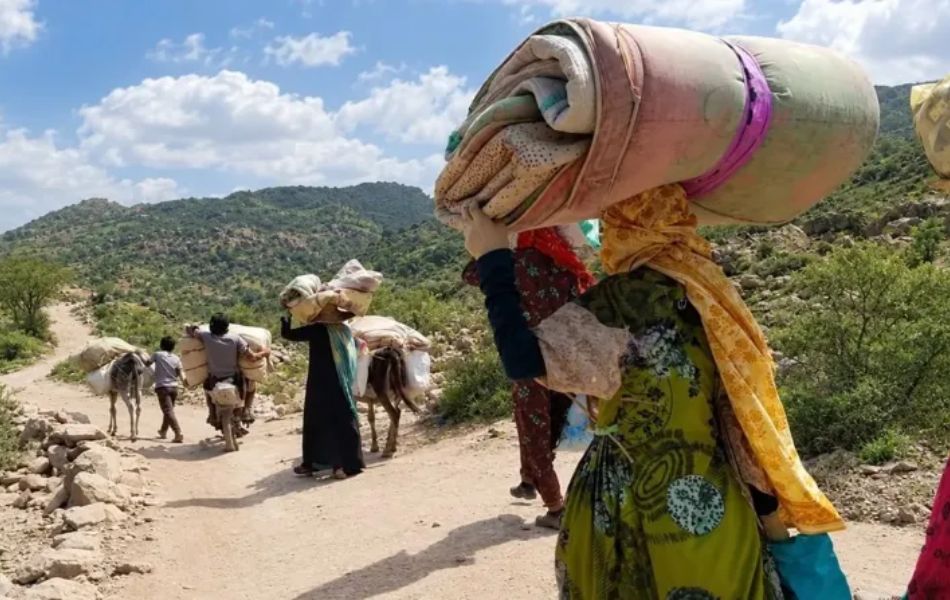
SAM for Rights and Liberties said that the latest United Nations reports reveal a deepening humanitarian and human rights crisis in Yemen as a result of the ongoing military escalation since August 2026. The situation is marked by widening displacement, continued civilian casualties, restrictions on the movement of people and humanitarian assistance, and deteriorating healthcare and protection services, particularly in Taiz governorate and along the West Coast.
The organization explained that the latest update from the United Nations Office for the Coordination of Humanitarian Affairs (OCHA) reported that more than 290,000 people had been displaced since early August, while the UN Human Rights Office had verified the killing of 68 civilians and the injury of 202 others, with women and children accounting for a significant proportion of the casualties. The update indicated that children represented approximately half of civilian fatalities, while women and children together accounted for nearly two-thirds of all verified civilian casualties.
SAM added that the ninth situation report issued by the World Health Organization (WHO) and the Health Cluster recorded a broader total of 9,072 conflict-related deaths and injuries as of 25 October, comprising 1,677 deaths and 7,395 injuries, according to health emergency operations records. The organization emphasized that these health figures reflect cases recorded through the healthcare system and do not constitute a separate count of civilian casualties verified by the UN Human Rights Office.
In the same context, the United Nations High Commissioner for Refugees (UNHCR) warned on 30 October of rapidly deteriorating conditions for more than 65,000 refugees and asylum-seekers in Yemen, amid growing insecurity, disrupted services and restrictions on humanitarian assistance. UNHCR noted that approximately 9,500 refugees at Kharaz camp in Lahj governorate were facing suspended education and essential services, along with severe restrictions on movement.
SAM stressed that widespread displacement, combined with continuing attacks on civilians and restrictions on roads and medical and food supplies, poses an increasing threat to the rights to life, health, food, water and shelter. Protecting the population requires more than ending shelling; it also demands effective and sustained access to the essential services on which people's survival depends.
The organization said that Taiz governorate remains among the areas hardest hit by the escalation, as the Houthi group continues to tighten restrictions on roads leading into the city and its surrounding rural areas, disrupting the flow of commercial and humanitarian supplies, including fuel, medicines, medical equipment and food.
According to OCHA's sixth situation update on the escalation and displacement, published on 30 October, several areas of Taiz face severe access restrictions, while hospitals are experiencing shortages of fuel, water and medicines, and some supplies intended for the city remain awaiting delivery. The report also highlighted accumulating uncollected waste, rising risks of disease outbreaks, and the diminishing ability of displaced families to leave the governorate in search of safety.
The report stated that damage to the Hayjat al-Abd road, a vital route connecting Taiz with southern governorates, had forced traffic onto narrow mountain roads and slowed the delivery of supplies. Restrictions on humanitarian movements at checkpoints also continued, even where organizations had obtained prior authorization.
These findings are consistent with a Human Rights Watch report issued on 29 October, which said that Houthi forces had tightened their siege of Taiz, depriving civilians of access to food, medicine, fuel and other essential supplies. In a separate report published on 26 October, Human Rights Watch documented the destruction of a section of the Hayjat al-Abd road in an explosion on 18 October, attributing the attack to Houthi forces. It warned that deliberately destroying a vital road with the intention of depriving civilians of objects indispensable to their survival could constitute a war crime.
In the latest local account of the healthcare situation, Al Jazeera Yemen reported on 30 October, citing Taiz Governor Nabil Shamsan, that 120 health centres had ceased operating entirely and another 66 had partially suspended services because of energy shortages and the withdrawal of humanitarian organizations. He also reported disruptions to hospital oxygen services and the looting of 15 ambulances and 22 intensive care beds.
SAM stressed that these figures, together with the UN report's finding that 591 healthcare facilities in Taiz, Aden and Lahj remained unsupported, reveal the widening gap between medical needs and available operational resources. They also demonstrate that road closures do not merely disrupt the transportation of goods but threaten the continuity of life-saving treatment, including emergency care, surgery, childbirth services, intensive care and treatment for chronic illnesses.
SAM explained that OCHA's latest update raised the number of people displaced by the latest escalation to more than 290,000, following the sixth UN situation report, which had recorded 281,137 displaced people, representing 46,850 households, as of 25 October, across ten governorates and 62 districts.
The report's data showed that Taiz was hosting approximately 127,140 displaced people, accounting for nearly 45% of those registered at that time, followed by Lahj with around 69,000 and Aden with more than 51,000. The report also recorded more than 193,000 people displaced from districts in Taiz governorate and over 112,000 who had fled districts along the West Coast, with further waves of displacement reaching Lahj in mid-October.
The organization noted that the report found that 63% of people registered among households reached by the Rapid Response Mechanism (RRM) were children, while 55% of households expressed concerns about their safety. Approximately 34% were living in makeshift shelters, tents or without adequate shelter.
SAM said these figures reflect the vulnerability of families forced to flee fighting, particularly those with young children, pregnant and breastfeeding women, and people with disabilities, amid rising living costs and declining access to essential services.
The organization added that displacement in areas controlled by the de facto authorities remains inadequately recorded and covered, according to the UN report, which identified additional displaced families in Taiz, Ibb, Al Bayda, Dhamar and other governorates who had not all been included in the Displacement Tracking Matrix's registered figures.
The organization noted that the expansion of relief operations had failed to keep pace with the growing number of displaced people and their needs, despite OCHA's latest announcement that immediate assistance had reached approximately 249,000 affected people, including food assistance, hygiene supplies and emergency cash support.
The sixth UN situation report indicated that, by the end of its reporting period on 25 October, the Rapid Response Mechanism had reached 207,480 displaced people, representing 29,640 households, while 8,552 registered households were still waiting to receive initial assistance kits.
Data from humanitarian clusters revealed significant gaps across several sectors. These included 31,586 households still needing shelter and essential household items, 32,918 households requiring water, sanitation and hygiene assistance, 13,056 households awaiting food assistance, and 7,295 households awaiting cash assistance, according to each sector's coverage and beneficiary registration procedures.
In the nutrition sector, the report identified 213,101 children and pregnant or breastfeeding women within the targeted population who had not yet received the required malnutrition treatment services, compared with 12,112 beneficiaries enrolled in treatment. It also warned of delays in delivering therapeutic food to Taiz city and the suspension of some supplementary feeding programmes in other areas.
SAM emphasized that these gaps represent more than delays in aid delivery. They carry direct risks to the rights to food, health, water and adequate shelter, particularly when combined with repeated displacement and hostilities that prevent families from meeting their basic needs through their own means.
SAM said that women and children bear a substantial share of the human and humanitarian consequences of the escalation. The latest figures announced by the UN Human Rights Office showed that women and children accounted for nearly two-thirds of verified civilian casualties, while children represented approximately half of those killed.
Regarding reproductive healthcare, OCHA, citing the United Nations Population Fund (UNFPA), reported that approximately 6,100 pregnant women were among those recently displaced, including around 600 expected to give birth within two weeks, at a time when access to hospitals and emergency obstetric services was becoming increasingly difficult.
The sixth UN situation report also noted that movement restrictions and a communications blackout in Taiz had forced some community midwives to suspend their services, while pregnant women faced severe difficulties reaching maternity facilities despite the continued operation of several major hospitals.
In terms of protection, humanitarian clusters documented increasing risks of children becoming separated from their families, exposure to unexploded ordnance, threats of forced eviction, and gender-based violence, including domestic violence. The report also recorded the closure of five safe spaces for women and girls in Taiz and along the West Coast, reducing access to counselling, protection and referrals to specialized services.
SAM warned that the continued closure of services intended for women and children, amid displacement and movement restrictions, exposes the most vulnerable groups to compounded harm and increases the risks of violence, exploitation and deprivation of healthcare and social services.
In its follow-up on individual incidents, SAM for Rights and Liberties said it had reviewed field reports published by the Taiz Siege Affairs Office concerning continued civilian casualties in residential areas across the governorate during the final days of October.
On 29 October, the office reported that three civilians had sustained shrapnel injuries from shelling. They included Samira Abdu Mohammed Saeed, 50, who suffered injuries to her head, chest, pelvis and thigh in Al-Anin village, Sabir al-Mawadim district; Haitham Qaid Ahmed Humaid Ibrahim, who was injured in the same village; and Abdulaziz Mohammed Hazza al-Udaymi, who was injured in the Old Airport area.
On 30 October, the office reported that Fakihah Abduljalil Sufyan, 51, had been killed by sniper fire attributed to the Houthi group in Al-Amad village, Al-Aqroud subdistrict, Al-Misrakh district. Five other civilians were injured in different parts of the governorate, including 15-year-old Mohammed Khaled Abdulghani Ahmed and eight-year-old Nof Mohammed Ahmed Abdulfattah.
On 31 October, the office reported that two-year-old Hudhayfah Mohammed Abdu Yahya sustained shrapnel injuries to the head after a mortar shell struck his home in the Najd al-Arous area. The office attributed the shelling to the Houthi group.
SAM stressed that the continued injury of children inside their homes, alongside civilian casualties caused by shelling and sniper fire in residential areas, requires independent investigations to establish the sources of fire and identify those responsible for the attacks, while ensuring respect for the special protection afforded to civilians and children under international humanitarian law.
In a statement published on 30 October 2026, Amnesty International expressed concern over the humanitarian situation in Taiz, noting that hospitals and healthcare facilities continued to report severe shortages of fuel, water and medicines, while humanitarian assistance remained heavily restricted.
The organization called on the Houthi de facto authorities to ensure that the delivery of humanitarian aid and essential goods to civilians in need is not obstructed in any way, and to guarantee that civilians wishing to leave Taiz can do so freely and safely.
SAM warned that the effects of the military escalation extend beyond Yemeni civilians and internally displaced people to refugees, asylum-seekers and migrants living in or travelling through the country, at a time when humanitarian organizations' capacity to provide protection and essential services is declining.
According to UNHCR's briefing issued on 30 October, more than 65,000 refugees and asylum-seekers in Yemen face a rapidly worsening humanitarian crisis driven by insecurity, economic collapse, dwindling resources and restrictions on humanitarian access.
UNHCR explained that conditions at Kharaz refugee camp in Lahj governorate, home to approximately 9,500 refugees from Somalia and Ethiopia, had become extremely difficult, although it had not verified any refugee casualties inside the camp. Shelling in nearby areas had disrupted schooling and legal and documentation services and restricted movement, while the delivery of food, water and healthcare was becoming increasingly challenging.
The agency noted that some families had left the camp and other areas in search of safety and services in Aden and southern governorates, travelling along roads used by the parties to the conflict and thereby facing increased risks of fighting, detention and exploitation.
Regarding refugee movements and returns, UNHCR said that since August it had assisted 607 Somali refugees to return voluntarily from Aden to Mogadishu on three flights, while more than 1,100 others had expressed an interest in returning. It warned that repeated airport shelling and escalating hostilities threatened the continuation of safe return operations.
UNHCR added that more than 134,000 asylum-seekers and migrants had arrived in Yemen by sea during the first nine months of 2026, while at least 139 people reportedly died off the coast of Djibouti in October while attempting to reach Yemen by sea.
The agency also recorded approximately 4,200 people crossing from Yemen to Djibouti and Somalia since September, reflecting growing movements of people fleeing across the sea and the associated risks to life, safety and access to international protection.
SAM said these developments demonstrate that Yemen is experiencing overlapping patterns of displacement and refugee movements, with people who previously fled persecution and conflict in their countries of origin now facing new threats that may force them to flee again or undertake dangerous sea journeys.
The organization expressed concern over the widening gap between humanitarian needs and available resources, noting that UNHCR had announced that its operations in Yemen were only 19% funded for 2026, having received approximately $36 million of the $194 million required.
UNHCR added that disruptions to shipping in the Red Sea and the Bab el-Mandeb Strait, along with regional tensions affecting supply chains, had contributed to rising transportation costs and delays in delivering humanitarian assistance. Although the agency had secured support to transport 11 containers of emergency relief supplies from Dubai to Yemen, changing security conditions and logistical restrictions continued to impede deliveries.
SAM noted that OCHA's sixth situation report had also documented restrictions on humanitarian organizations' movements at checkpoints despite prior authorization, delayed administrative approvals, telecommunications disruptions, and difficulties reaching families living outside formal displacement camps. These obstacles have reduced organizations' ability to conduct assessments, document needs and deliver services.
The organization emphasized that humanitarian access must not be used as a means of exerting pressure on civilians or subjected to arbitrary restrictions. Parties to the conflict must take the necessary measures to ensure that relief reaches those in need rapidly, safely and without unlawful obstruction.
SAM for Rights and Liberties considers that the incidents documented in UN reports and field testimonies reveal serious risks to the protection of civilians and the continuity of essential services. These include deaths and injuries caused by shelling and sniper fire, forced displacement associated with hostilities, disruption of healthcare, restrictions on access to food, water, fuel and medicines, and threats to the safety of refugees, displaced people and humanitarian workers.
SAM stresses that international humanitarian law requires all parties to the conflict to distinguish between civilians and combatants and between civilian objects and military objectives. It prohibits deliberate attacks against civilians, as well as indiscriminate and disproportionate attacks, and requires all feasible precautions to avoid or minimize civilian harm.
Healthcare facilities, medical transport, medical personnel, wounded people and patients also enjoy special protection under international humanitarian law. Unlawful attacks against them or unlawful interference with their operations require investigation and accountability.
Regarding the siege and restrictions imposed on Taiz, the organization emphasizes the absolute prohibition on using starvation of civilians as a method of warfare and the obligation to respect the rules governing the passage of humanitarian relief. Acts deliberately depriving civilians of objects indispensable to their survival may amount to war crimes when the relevant legal elements are established.
The organization also stresses the need to respect the rights of refugees and asylum-seekers, protect them against forcible return to places where they may face persecution or serious threats, and ensure that any return to their countries of origin remains voluntary, safe and based on a free and informed decision.
SAM for Rights and Liberties condemns the continuing attacks that cause civilian casualties and endanger civilian facilities and essential services. It calls on all parties to the conflict to immediately cease unlawful attacks, respect the principles of distinction, proportionality and precautions in attack, and ensure the protection of civilians, particularly children, women, displaced people and patients.
The organization calls on the Houthi group to lift unlawful restrictions on the movement of civilians and humanitarian and commercial supplies into Taiz, open the roads and corridors needed to deliver food, water, fuel, medicines, oxygen and medical supplies, and guarantee safe passage for ambulances, patients and humanitarian workers.
SAM also calls for urgent measures to restore operations at healthcare facilities that have ceased functioning in Taiz and to secure fuel, medical supplies and emergency services, particularly intensive care, maternity and neonatal care, dialysis, trauma treatment and care for chronic illnesses.
The organization demands independent and effective investigations into incidents that killed and injured civilians in Taiz during the final days of October, the preservation of forensic and medical evidence and testimonies from survivors and witnesses, and the identification and prosecution of those responsible in accordance with the law.
SAM calls on the United Nations and donor governments to increase emergency funding for the humanitarian response and expand food, shelter, water, sanitation, nutrition and protection programmes, prioritizing children, pregnant and breastfeeding women, people with disabilities and families subjected to repeated displacement.
It also calls for the restoration of protection services and safe spaces for women and girls, the provision of safe alternatives for accessing legal, psychological and social support, and the continuity of education and healthcare services in displacement sites and refugee camps.
The organization emphasizes the need to strengthen protection for refugees, asylum-seekers and migrants, facilitate access to protection procedures, documentation and essential services, ensure the continuity of safe voluntary return programmes, and prevent people fleeing conflict from being exposed to additional risks while travelling within Yemen or across its borders.
SAM calls for humanitarian organizations to be granted safe and sustained access to affected areas, the removal of unlawful administrative and security restrictions obstructing their movements, and the protection of humanitarian personnel, relief facilities and medical transport.
SAM for Rights and Liberties warns that continued military escalation, the worsening siege, widening displacement and disruptions to healthcare and humanitarian services threaten the lives of hundreds of thousands of civilians, displaced people and refugees, increasing the likelihood of preventable loss of life. It calls for urgent international action that prioritizes civilian protection, the removal of restrictions on humanitarian relief, the restoration of essential services, and accountability for serious violations.